
A Listening Church in the Age of Algorithms: The Call of Magnifica Humanitas
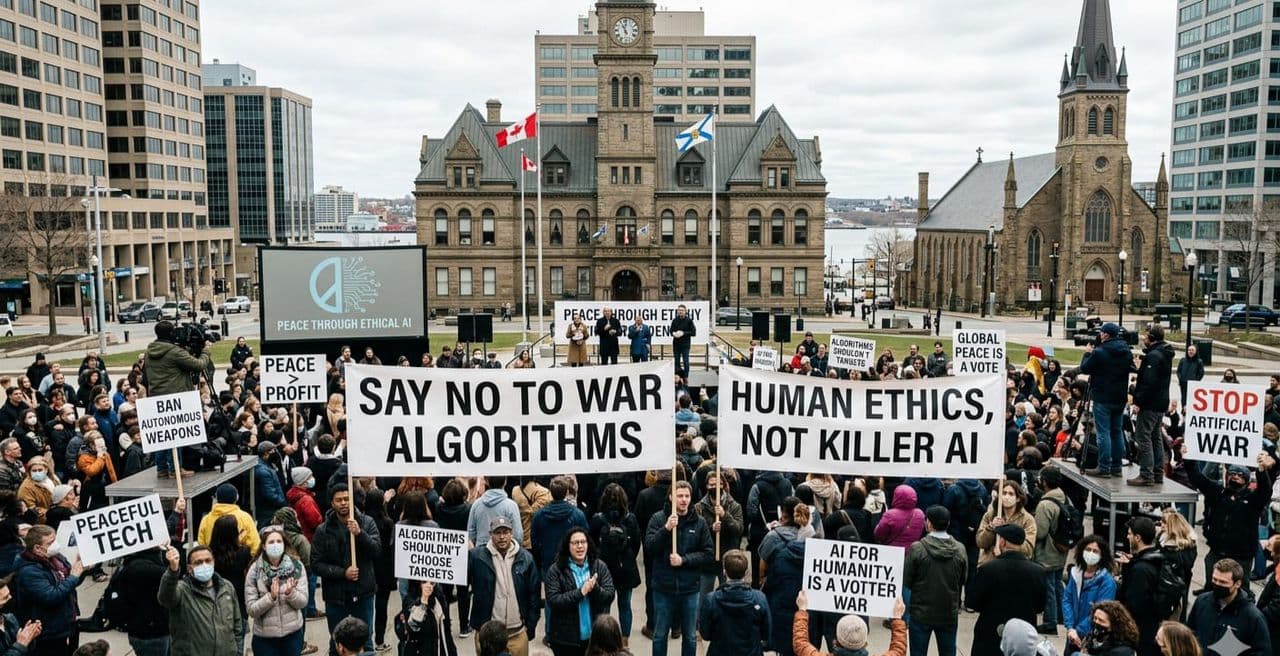
A digital mission rooted in the Gospel seeks to place ethical technology at the service of human dignity, fraternity, and peace.
In a world increasingly shaped by artificial intelligence, autonomous systems, and the quiet machinery of digital persuasion, a new initiative is asking an old question in a contemporary key: can technology serve the human person rather than master them?
Magnifica Humanitas describes itself as a Vatican-inspired ethical AI mission, drawing its bearings from the Gospel, Catholic Social Teaching, Laudato Si', Fratelli Tutti, and Ecclesia in Africa. Its stated aim is to bridge the wisdom of older generations with the digital fluency of the young, forming what it calls builders of peace in the digital economy.
At the heart of the mission is a refusal to treat conflict as inevitable. Echoing the language of recent papal teaching, Magnifica Humanitas frames war as a rupture of fraternity and a wound against the shared vocation of the one human family. Peace, in its reading, is not simply the silence after the guns. It is the presence of justice, solidarity, truth, and mercy — the conditions under which authentic human relationships can flourish.
The mission proposes five pathways. The first, synodal listening, calls for spaces, both physical and digital, where communities and generations listen before they judge. The second, relational evangelization, seeks to replace algorithmic isolation with genuine accompaniment, mentorship, and community. The remaining three turn outward: ethical governance of AI systems with real human oversight; integral human development that points innovation toward education, healthcare, environmental stewardship, and dignified work; and the formation of digital missionaries equipped with practical skills in technology and entrepreneurship.
What distinguishes the initiative is less a critique of technology than a proposal for its conversion. Magnifica Humanitas presents itself as a bridge between faith and innovation, insisting that transparency, accountability, and community participation can transform digital spaces into places of encounter and healing rather than division.
The mission connects to a wider ecosystem, including Yes Catholic Hangout and the Economy of Francesco movement, and addresses itself deliberately to two generations at once. To Gen X it offers a vocabulary for the technological complexity reshaping their institutions; to Gen Z it offers a sense that their digital creativity can be ordered toward something more than engagement metrics.
Its guiding formula is disarmingly simple: faithful to the message, flexible in the method. In an era tempted by domination and technological control, Magnifica Humanitas stakes its hope elsewhere — on fraternity, dialogue, and the flourishing of every human person.
The movement invites participation through www.yescatholichangout.com.